Business Product DevelopmentComplete development process from idea to product, mastering core methodologies and practical tools for modern product development

Core Concepts

Small but Beautiful

Focus only on core features

Focus on core value, avoid feature redundancy

  • • Focus on single core value proposition
  • • Follow 80/20 rule, prioritize core features
  • • Pursue ultimate user experience details
  • • Regularly review feature necessity, dare to cut
  • • Refined design, focus on detail polishing
  • • Control product scale, maintain lightweight

Rapid Validation

MVP first launch, then optimize

Fast trial and error, reduce development risk

  • • MVP mindset: Minimum viable product validation
  • • Fast trial and error: Small steps, rapid iteration
  • • User feedback drives product decisions
  • • A/B testing validates feature effectiveness
  • • Data analysis guides decision direction
  • • Agile development, fast trial and error correction

Automation & AI

Save time, reduce repetitive work

Leverage tools to improve development efficiency

  • • Tool empowerment: Choose appropriate development toolchain
  • • Intelligent processes: Automated testing, deployment
  • • AI assistance: Code generation, design optimization
  • • Efficiency improvement: Reduce repetitive work
  • • Intelligent data analysis and insights
  • • Automated user feedback collection

Closed-loop Iteration

Requirements → Development → Launch → Collect Feedback → Optimize

Continuous improvement, user-driven

  • • Requirement discovery → Deep understanding of user pain points
  • • Product ideation → Innovative solution design
  • • MVP design → Minimum viable product planning
  • • Development implementation → Efficient technical realization
  • • Launch delivery → Product release and promotion
  • • Feedback iteration → Data-driven continuous optimization

Product Development Process

01
Requirement Discovery
02
Product Ideation
03
MVP Design
04
Development
05
Launch & Delivery
06
User Feedback & Iteration
Step 01

Requirement Discovery

Deeply understand real user needs and discover market opportunities

Main Content

User Persona Development: Build detailed user personas based on research data, including demographic characteristics, behavioral patterns, preference needs, pain point analysis, etc., forming a comprehensive user understanding
Pain Point Discovery & Analysis: Identify core pain points users encounter with existing solutions through in-depth interviews and observation, assess the severity and prevalence of pain points
Requirement Priority Assessment: Use RICE scoring method (Reach, Impact, Confidence, Effort) to prioritize collected requirements and determine the most valuable core needs to solve
Market Opportunity Identification: Analyze market gaps and competitive landscape, identify niche markets and differentiation opportunities for entry

Recommended Tools

Typeform

Create user research surveys

Calendly

Schedule user interviews

Notion

Organize research data

SimilarWeb

Competitor traffic analysis

Practical Tips

Avoid leading questionsRecord user's exact wordsFocus on behavior not opinionsQuantify pain point severity

Expected Output

User personas, requirement priorities, market opportunity report

Step 02

Product Ideation

Based on requirement insights, ideate product solutions

Main Content

Solution Design: Design innovative solutions based on user need insights, clarify the product's core value proposition and differentiation advantages
Feature Architecture Planning: Build product feature architecture diagrams, clarify relationships and dependencies between functional modules, ensure system completeness and logic
Business Value Assessment: Evaluate product business potential, including market size, profit models, cost structure analysis, ensure business viability
Technical Architecture Design: Develop technical implementation plans, select appropriate tech stack, assess development difficulty and resource requirements

Recommended Tools

Miro

Collaborative user journey mapping

FigJam

Brainstorming and idea organization

Airtable

Feature requirement management

Canva

Business model canvas creation

Practical Tips

Solve core problems firstConsider technical constraintsAssess business valueMaintain feature focus

Expected Output

Product concept, feature list, business model, technical architecture

Step 03

MVP Design

Design minimum viable product to quickly validate core value

Main Content

Minimum Viable Product Definition: Clarify MVP core feature boundaries, determine which features are essential and which can be added in subsequent versions, maintain product focus
Core Feature Selection: Filter the minimum feature set that can validate core assumptions from the feature list, ensure each feature has clear validation goals
User Experience Design: Design simple and intuitive user interfaces and interaction flows, ensure users can quickly understand and use the product's core features
Prototype Validation Strategy: Develop prototype testing plans, validate design assumptions through user testing, collect feedback and iterate quickly

Recommended Tools

Figma

Interface design and prototype creation

Principle

Interactive motion design

Maze

User testing and feedback collection

Zeplin

Design handoff to development

Practical Tips

Focus on core featuresKeep interface simpleConsider responsive designEstablish design standards

Expected Output

Interactive prototype, visual design, design specifications, user testing report

Step 04

Development Implementation

Efficient development, ensuring code quality and performance

Main Content

Technical Architecture Design: Design scalable technical architecture including frontend, backend, and database overall architecture design, ensuring system stability and maintainability
Development Plan Formulation: Formulate detailed development plans and milestones, allocate development resources reasonably, ensure project delivery on time
Quality Control Process: Establish comprehensive code review, testing, and deployment processes to ensure code quality and product stability
Team Collaboration Mechanism: Establish efficient team collaboration mechanisms including requirement management, progress tracking, and problem-solving processes

Recommended Tools

VS Code

Code editor

GitHub

Code version management

Docker

Containerized deployment

Jest

Unit testing framework

Practical Tips

Follow coding standardsWrite test casesRegular code reviewsFocus on performance metrics

Expected Output

Runnable product, test reports, technical documentation, deployment plan

Step 05

Launch & Delivery

Stable deployment, ensuring user experience

Main Content

Release Strategy Formulation: Develop detailed product release plans including release timing, scope, risk assessment, and contingency plans
User Onboarding Design: Design new user onboarding processes and product usage guides to help users quickly get started and experience core value
Monitoring System Construction: Establish comprehensive product monitoring systems including real-time monitoring of technical indicators, business metrics, and user experience indicators
Operations Preparation: Prepare customer support, user feedback collection channels, issue handling processes, and other operational support systems

Recommended Tools

Vercel

Frontend application deployment

Sentry

Error monitoring and tracking

Google Analytics

User behavior analysis

Cloudflare

CDN and security protection

Practical Tips

Incremental release approachMonitor key metricsPrepare rollback planTransparent user communication

Expected Output

Live product, monitoring dashboard, operations documentation, release report

Step 06

User Feedback & Iteration

Collect feedback and continuously optimize product

Main Content

Data Analysis System: Establish comprehensive data analysis system including user behavior analysis, product usage analysis, business metrics monitoring, etc.
User Feedback Collection: Establish multi-channel user feedback collection mechanisms including in-app feedback, user interviews, community feedback, etc.
Product Iteration Planning: Based on data analysis and user feedback, formulate product iteration roadmap, determine priorities for feature optimization and new feature development
Continuous Optimization Mechanism: Establish continuous product optimization mechanism, regularly evaluate product performance, respond quickly to market changes and user needs

Recommended Tools

Mixpanel

User behavior analysis

Hotjar

User session recording

Optimizely

A/B testing platform

Intercom

User feedback collection

Practical Tips

Data-driven decisionsQuick response to feedbackIncremental iterationFocus on core metrics

Expected Output

Data reports, user feedback summary, iteration plans, optimization recommendations

Case Studies

Six "small but beautiful" successful product cases, showcasing different types of product development paths

He built a product in 1 hour and sold 37 copies | Dan Mindru

He built a product in 1 hour and sold 37 copies | Dan Mindru

Rapid Validation

He built a product in 1 hour and sold 37 copies | Dan Mindru

Rapid validation case: building and selling 37 products in 1 hour
Rapid Validation1 HourMVP
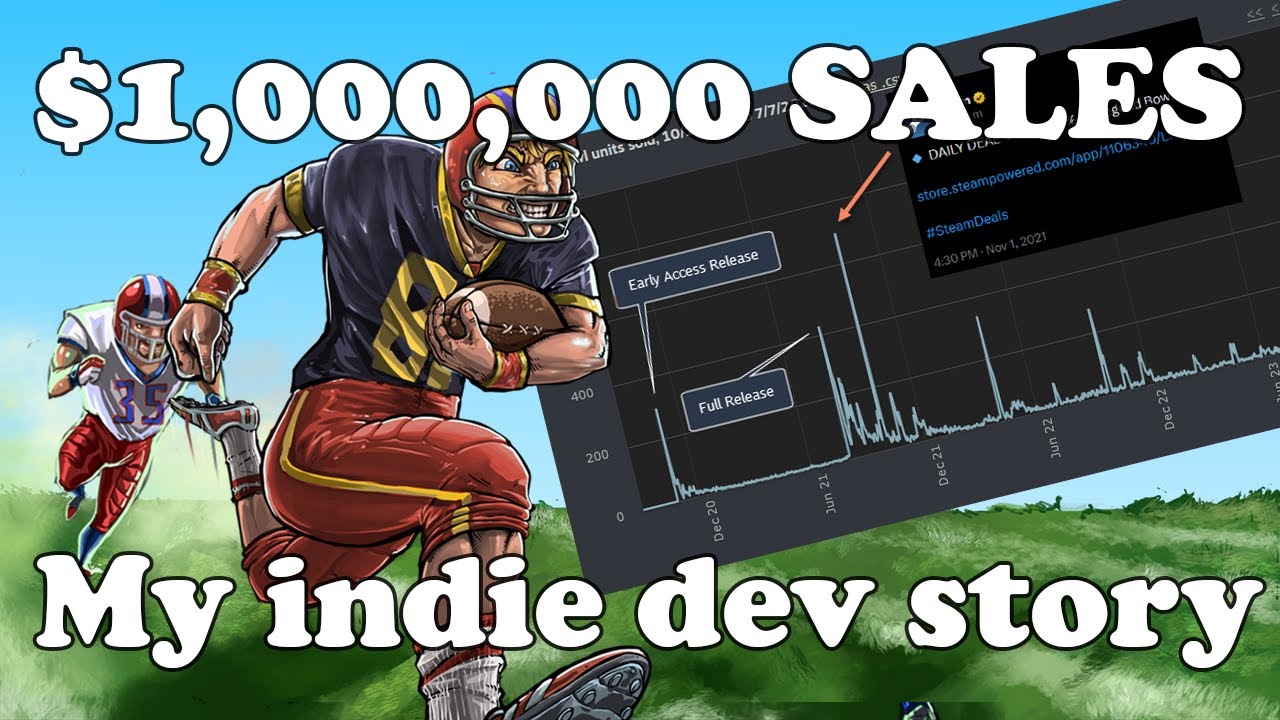
How I Made One Million Dollars In Revenue As A Solo Indie Game Dev

How I Made One Million Dollars In Revenue As A Solo Indie Game Dev

Long-term Focus (Indie Game Developer)

How I Made One Million Dollars In Revenue As A Solo Indie Game Dev

Indie game developer achieving million-dollar revenue through long-term focus
Indie GameMillion RevenueLong-term Focus
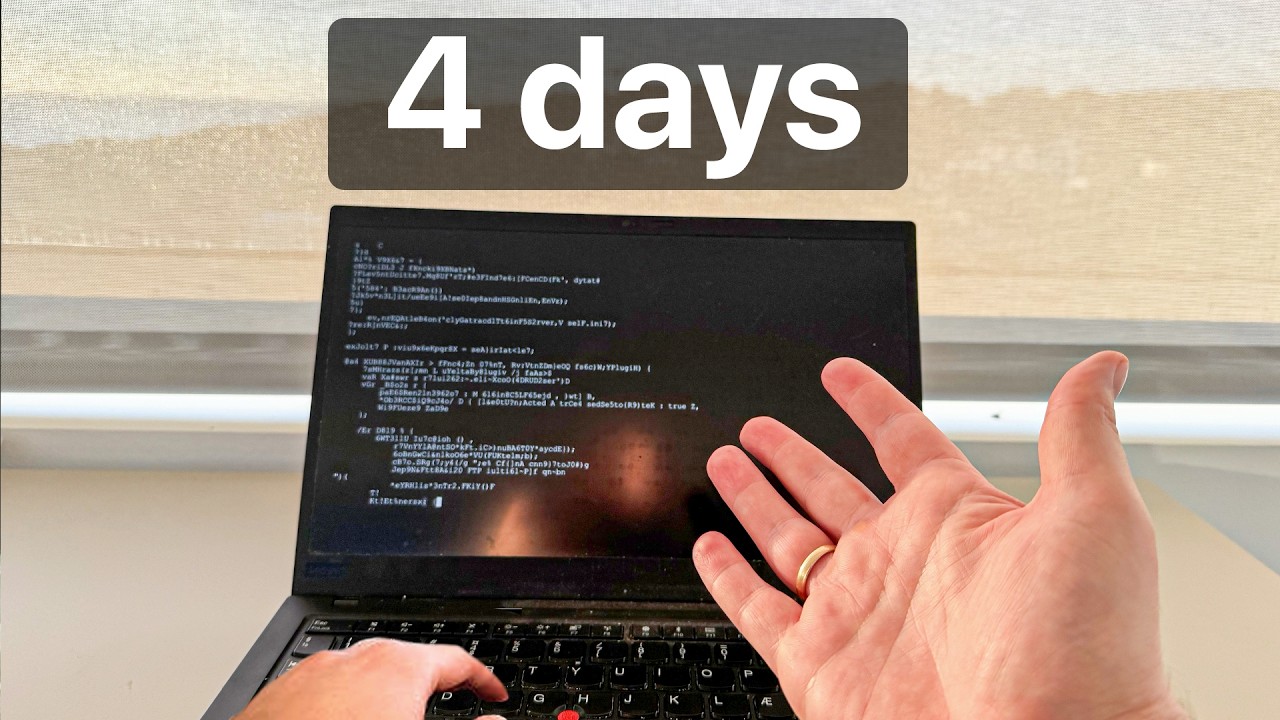
We Built a Profitable Startup in 4 Days

We Built a Profitable Startup in 4 Days

Extreme MVP

We Built a Profitable Startup in 4 Days

Extreme MVP case: building a profitable startup in 4 days

4-Day StartupExtreme MVPQuick Profit
Digital Dudz – wearable tech Halloween costumes by former NASA engineer

Digital Dudz – wearable tech Halloween costumes by former NASA engineer

Innovation & Scaling

Digital Dudz – wearable tech Halloween costumes by former NASA engineer

Former NASA engineer innovating wearable technology Halloween costumes

Wearable TechNASA EngineerInnovation
Starting A Business Alone - Solopreneur Advice From A $10M Founder

Starting A Business Alone - Solopreneur Advice From A $10M Founder

Hardware Products & Community Support

Starting A Business Alone - Solopreneur Advice From A $10M Founder

Raspberry Pi case success story, combining hardware products with community

Hardware ProductsRaspberry PiCommunity Support
I failed 27 startups... and made $1M as a SOLO developer (my story)

I failed 27 startups... and made $1M as a SOLO developer (my story)

Independent Product Business Transformation

I failed 27 startups... and made $1M as a SOLO developer (my story)

Transformation from pandemic entertainment project to successful product launch

Product TransformationPandemic StartupLifestyle
Share the Joy and Fun!
Spread the word to your friends and community.